

With growing awareness around food quality, ethics, and religious compliance, many consumers ask an important question: What is the difference between halal and non-halal food? Understanding this distinction helps consumers make informed choices and helps food businesses meet customer expectations with transparency and trust.
This article explains the key differences between halal and non-halal food, how halal standards are maintained, and why halal-certified food matters today.
What Is Halal Food?
Halal food refers to food that is permissible under Islamic dietary laws. These guidelines cover:
The type of food that is allowed
How ingredients are sourced
How food is prepared and handled
How meat is slaughtered
Halal principles emphasise cleanliness, ethical treatment, and food safety, making halal food widely trusted beyond Muslim communities.
What Is Non-Halal Food?
Non-halal food includes any food that does not comply with Islamic dietary laws. This may involve:
Prohibited ingredients such as pork or alcohol
Meat not slaughtered according to halal requirements
Cross-contamination between halal and non-halal items
Use of non-halal additives or processing aids
Even foods that appear halal can become non-halal if proper handling and segregation are not maintained.
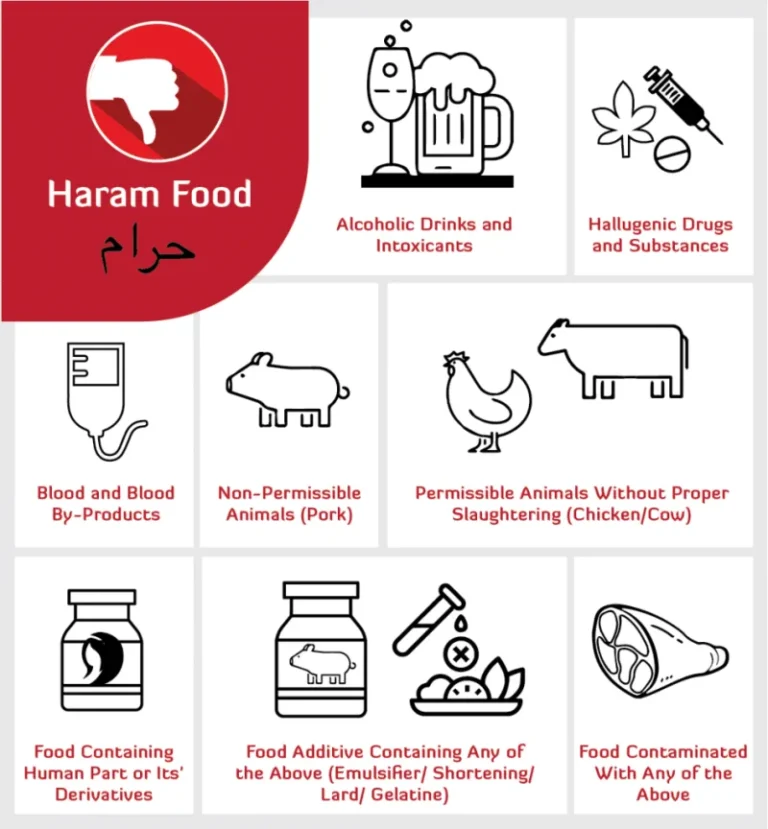
Key Differences Between Halal and Non-Halal Food
1. Ingredients
Halal food uses only permissible ingredients, while non-halal food may include alcohol-based flavourings, non-halal gelatine, or animal-derived additives from non-permissible sources.
2. Meat Slaughter Method
Halal meat follows a specific slaughter method that ensures:
The animal is alive and healthy
A swift, humane cut is made
Blood is fully drained
Non-halal meat does not follow these religious requirements and may involve different slaughter methods.
3. Hygiene & Handling
Halal food production requires:
Strict cleanliness
Clear segregation of halal and non-halal items
Controlled storage and preparation areas
Non-halal operations may not apply these controls.
4. Cross-Contamination Control
Halal-compliant kitchens prevent cross-contamination by:
Using dedicated utensils and equipment
Applying clear labelling
Training staff in halal practices
Without these measures, halal integrity cannot be guaranteed.
Why Halal Certification Matters
Halal certification ensures that halal standards are followed consistently and independently verified. Certification provides:
Consumer confidence
Transparency
Accountability
Market credibility
Halal Mark supports food businesses by verifying halal compliance across sourcing, preparation, and handling—helping businesses maintain trust and integrity.
Is Halal Food Healthier?
While halal food is not marketed as a health product, many people associate it with:
Higher hygiene standards
Ethical animal treatment
Reduced contamination risk
Clear ingredient transparency
These factors contribute to growing consumer preference for halal-certified food.
Why Halal Food Is Important in Today’s Market
Halal food represents more than religious compliance—it reflects:
Ethical sourcing
Consumer trust
Cultural respect
Quality assurance
As halal demand grows in the UK and globally, understanding halal principles benefits both consumers and food businesses.
Final Thoughts
The difference between halal and non-halal food lies in ingredients, preparation, ethics, and compliance. Halal food offers assurance, transparency, and trust—making it an important choice in today’s diverse food industry.
Contact Halal Mark
For halal certification guidance or compliance support, contact Halal Mark:
Address:
167-169 Great Portland Street, 5th Floor, London, W1W 5PF
Phone: +44 (0)20 3411 1601
Email: info@halalmark.co.uk