
Can Non-Muslims Eat Halal Food?

A common question many people ask is: Can non-Muslims eat halal food?
The simple answer is yes. Halal food is suitable for everyone and is enjoyed by millions of non-Muslims around the world. In fact, halal food standards align closely with modern expectations of food safety, hygiene, ethics, and transparency.
This article explains what halal food really means, why non-Muslims choose halal food, and how halal certification benefits all consumers.
What Is Halal Food?
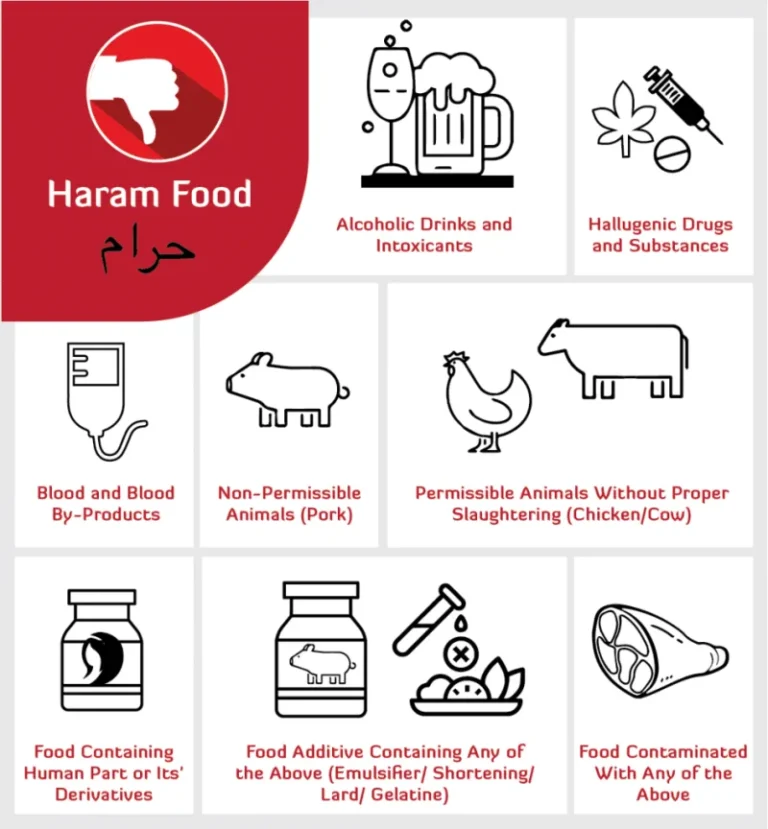
Halal food refers to food that is permissible under Islamic dietary laws. These laws govern:
Ingredients used in food
How food is prepared and handled
How meat is sourced and slaughtered
Cleanliness and hygiene throughout the process
Halal principles focus on purity, responsibility, and ethical treatment, making halal food a quality-driven choice rather than just a religious one.
Is Halal Food Only for Muslims?
No. Halal food is not exclusive to Muslims. There are no religious restrictions on who can consume halal food. Non-Muslims eat halal food every day—often without realising it—at restaurants, takeaways, supermarkets, and food outlets across the UK.
Many non-Muslim consumers choose halal food because of:
Clear ingredient transparency
Ethical sourcing standards
High hygiene requirements
Trust in certified processes
Why Do Non-Muslims Choose Halal Food?
1. Ethical Animal Welfare
Halal meat requires animals to be treated humanely and slaughtered in a way that minimises suffering. This ethical approach appeals to consumers concerned about animal welfare.
2. Higher Hygiene Standards
Halal food production places strong emphasis on cleanliness, sanitation, and contamination control—qualities that benefit all consumers regardless of faith.
3. Transparency & Trust
Halal certification requires detailed ingredient checks, supplier verification, and ongoing audits. This transparency builds trust for customers who want to know what’s in their food and how it’s prepared.
4. No Alcohol or Harmful Additives
Halal food avoids alcohol and certain additives, which appeals to people seeking simpler, cleaner food options.
Is Halal Meat Different From Regular Meat?
Yes, halal meat differs mainly in how it is sourced and prepared:
Animals must be healthy at the time of slaughter
Blood is fully drained from the meat
Ethical and hygienic standards are strictly followed
These requirements contribute to the perception of halal meat as cleaner and more responsibly produced.
The Role of Halal Certification
Halal certification ensures that halal standards are applied consistently and verified independently. A recognised halal mark gives consumers confidence that:
Ingredients are halal-approved
Food handling meets strict guidelines
Cross-contamination is prevented
Standards are monitored continuously
Halal Mark provides halal certification services that help food businesses maintain integrity, transparency, and consumer trust across the UK.
Halal Food in the UK: A Growing Choice
Halal food has become a mainstream option in the UK, embraced by people of all backgrounds. From restaurants and caterers to supermarkets and manufacturers, halal-certified food is widely available and trusted for its quality and standards.
As awareness grows, halal food is increasingly recognised as a responsible and inclusive food choice.
Final Thoughts
Halal food is suitable for everyone—Muslims and non-Muslims alike. It represents ethical sourcing, hygiene, transparency, and trust. Choosing halal food is not about religion alone; it’s about confidence in food quality and standards.
Contact Halal Mark
For guidance on halal certification or ,compliance support, contact Halal Mark:
Address:
Address: 167-169 Great Portland Street, 5th Floor, London, W1W 5PFPhone: +44 (0)20 3411 1601
Email: info@halalmark.co.uk