
Halal Meat, Halal Food & Halal Certification: A Complete Guide for Consumers and Businesses

In today’s global food industry, halal meat, halal food, and halal certification are no longer niche concepts. They represent a growing demand for transparency, ethical sourcing, food safety, and religious compliance. Whether you are a consumer seeking confidence in what you eat or a business aiming to serve halal-conscious customers, understanding halal principles is essential.
This guide explains what halal really means, how halal meat is prepared, why halal certification matters, and how trusted certification bodies help maintain integrity across the food supply chain.
What Does “Halal” Mean in Food?
The word halal is an Arabic term meaning permissible or lawful. In the context of food, halal refers to items that are allowed under Islamic dietary laws derived from the Qur’an and Sunnah.
For food to be considered halal, it must:
-
Contain permissible ingredients
-
Be prepared using clean, hygienic processes
-
Avoid cross-contamination with non-halal items
-
Follow Islamic slaughter requirements for meat
Halal is not only about religion—it also emphasises cleanliness, ethical treatment of animals, and food safety, which is why halal food is increasingly trusted by a wider audience.
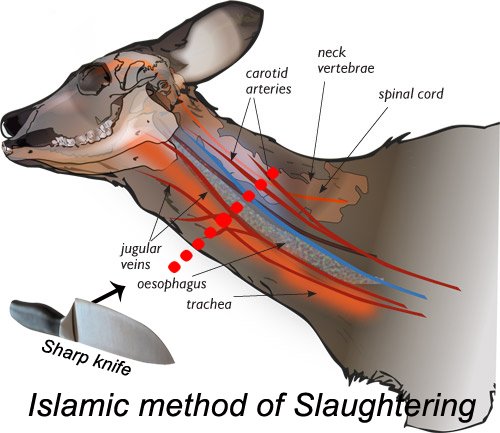
Understanding Halal Meat
How Is Halal Meat Prepared?
Halal meat comes from animals that are permitted in Islam, such as cattle, sheep, goats, and poultry. The halal slaughter process includes:
-
The animal must be healthy and alive at the time of slaughter
-
Slaughter is performed by a trained Muslim
-
The name of Allah is invoked before slaughter
-
A swift, humane cut is made to allow rapid blood drainage
-
Blood, which is considered impure, is fully removed
This process prioritises animal welfare, hygiene, and respect—key principles that align with modern ethical food standards.
What Is Halal Food?
Halal food goes beyond meat. It includes:
-
Processed foods
-
Ready meals
-
Sauces, marinades, and flavourings
-
Beverages and supplements
Many everyday products may appear halal but can contain non-halal additives, such as alcohol-based flavourings, gelatine, or enzymes derived from non-permissible sources. This is why verification and certification are critical.
Why Halal Certification Is Important
For Consumers
Halal certification provides confidence and trust. A recognised halal mark assures consumers that:
-
Ingredients have been verified
-
Supply chains have been audited
-
Preparation follows halal standards
-
No cross-contamination has occurred
For Businesses
For restaurants, caterers, manufacturers, and retailers, halal certification:
-
Builds credibility and trust
-
Expands access to the UK and global halal market
-
Ensures compliance with recognised halal standards
-
Enhances brand reputation and customer loyalty
The Role of Halal Certification Bodies
A halal certification body acts as an independent authority that audits, verifies, and monitors food businesses. Certification is not a one-time process—it involves ongoing compliance, inspections, and documentation checks.
Halal Mark provides halal certification services designed to support food businesses at every stage of compliance.
How Halal Mark Supports Halal Compliance
Halal Mark works closely with food businesses to ensure:
-
Ingredient verification and approval
-
Supplier compliance and traceability
-
Kitchen, factory, and process audits
-
Staff guidance and halal best practices
-
Ongoing monitoring and certification renewal
Whether you operate a restaurant, catering service, food manufacturing facility, or retail outlet, a structured halal certification process helps you meet expectations with clarity and confidence.

Halal Food: More Than a Religious Requirement
Today, halal food is recognised for:
-
High hygiene standards
-
Ethical sourcing
-
Transparent supply chains
-
Consumer trust
As awareness grows, halal-certified products appeal not only to Muslim consumers but also to customers seeking quality-assured and ethically prepared food.
Final Thoughts
Halal meat, halal food, and halal certification play a vital role in today’s food industry. They ensure religious compliance, food safety, and consumer confidence—while helping businesses grow responsibly and sustainably.
Choosing a trusted certification partner ensures that halal is not just a label, but a commitment to integrity, quality, and trust.
Contact Halal Mark
If you are looking to certify your business or learn more about halal compliance, contact Halal Mark:
Address:
Halal Mark
235-B Mitcham Lane
London, England, SW16 6PY
Phone: +44 (0)20 3411 1601
Email: info@halalmark.co.uk